
Know the Signs
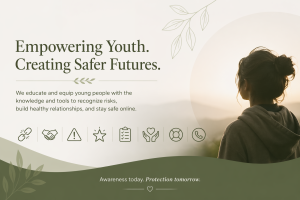
Understanding Human Trafficking & Online Grooming
 Human trafficking often begins with manipulation.
Human trafficking is the exploitation of a person through force, fraud, or coercion for the purpose of labor or commercial sex. In many cases, especially with youth, trafficking begins through trust-building, emotional manipulation, and online grooming. Understanding the warning signs can help families and communities respond earlier and more effectively.
- Learn the Warning Signs
- Get Help
- Attend a Training
 What Is Human Trafficking?
Human trafficking is not always obvious. It does not usually begin with kidnapping or physical force. More often, it begins with a trafficker identifying vulnerability and using attention, affection, false promises, or emotional control to exploit another person.
Trafficking can happen in any community. It affects children, teens, and adults, and it often involves someone the victim knows or has grown to trust.
Important to Know:
Many victims do not immediately realize they are being trafficked because exploitation is often disguised as love, support, opportunity, or protection.
 How Traffickers Use the Internet
Social media, gaming platforms, messaging apps, and online communities have made it easier for traffickers to access vulnerable individuals. Online grooming is a process in which a person builds trust with the intent to manipulate, exploit, or control.
This grooming process may happen over time or move very quickly, but it often follows common patterns.
Common Online Grooming Techniques
1. Love Bombing
Excessive compliments, attention, or affection at the very beginning of a relationship.
Examples:
- “You’re so mature for your age.”
- “I’ve never met anyone like you.”
- Constant messages, praise, or emotional intensity
Why it matters:
This creates a fast emotional attachment and can make a person feel chosen, special, or understood.
2. False Identity
Pretending to be someone they are not in order to gain trust.
Examples:
- Using fake photos
- Claiming to be younger than they are
- Pretending to share similar struggles or interests
Why it matters:
Traffickers often present themselves as relatable and safe.
3. Isolation
Encouraging secrecy and creating distance from trusted family or friends.
Examples:
- “Your parents don’t understand you.”
- “Don’t tell anyone about us.”
- “Your friends are jealous.”
Why it matters:
Isolation removes protective voices and increases dependency.
4. Emotional Dependence
Becoming the main source of support, comfort, or validation.
Examples:
- Constantly checking in
- Offering sympathy during hard times
- Saying, “I’m the only one who really cares about you.”
Why it matters:
This can make it harder for someone to recognize manipulation.
5. Desensitization to Sexual Content
Gradually introducing sexual topics, jokes, requests, or images.
Examples:
- Testing boundaries through conversation
- Requesting photos
- Normalizing inappropriate behavior
Why it matters:
This is often done slowly to make harmful behavior seem normal.
6. Manipulation and Threats
Using guilt, fear, shame, or intimidation to maintain control.
Examples:
- “If you loved me, you would…”
- “I’ll share your photos.”
- “No one will believe you.”
Why it matters:
Once trust is established, fear is often used to keep control.
7. Promises of Opportunity
Offering money, gifts, travel, modeling, or a better future.
Examples:
- “I can help you make money.”
- “You deserve better than this.”
- “Come with me — I can change your life.”
Why it matters:
Traffickers often target hope, need, insecurity, or instability.
Warning Signs to Watch For
 Possible signs include:
- Increased secrecy around devices or online activity
- A new relationship that seems intense or fast-moving
- Receiving gifts, money, or special attention from someone unknown
- Sudden withdrawal from family or trusted friends
- Emotional dependence on someone met online
- Secretive messaging, disappearing chats, or multiple accounts
- Changes in mood, behavior, or personal boundaries
One sign alone may not confirm trafficking — but patterns matter.
Pay attention when behavior changes are sudden, intense, or paired with secrecy.
How to Respond
If you suspect grooming or exploitation, your response matters. A calm, supportive approach can help protect the person and preserve trust.
 Stay Calm:
- Stay calm
- Avoid blame or judgment
- Keep communication open
- Take concerns seriously
- Save evidence when possible, including usernames, screenshots, and messages
- Reach out for professional support or report concerns
Do say: “I’m here for you.”
Avoid saying: “Why would you do that?”
 Get Help
If you believe someone may be experiencing grooming or exploitation, help is available. Reaching out early can make a difference.
Contact Information and Free Trainings:
- Contact Olive (559) 365-6265
- Attend a PROTECT Training
- Email for more information olivemadera2015@gmail.com
- Report a Concern FBI Tip Line
Optional resource:
For immediate help, contact the National Human Trafficking Hotline at 1-888-373-7888 or text INFO to 233733